How to Find What’s Trending on YouTube
How to Find What’s Trending on YouTube (Free Methods That Actually Work)
Introduction – Why YouTube Trends Matter in 2025
Many creators fail not because their content is bad, but because they publish videos that no one is actively searching for. Understanding what's currently popular on YouTube can make or break your content strategy. When you know how to find what's trending on YouTube, you're not just guessing what viewers want—you're working with real data about what people are actively searching for and watching right now.
Trends reveal what captures attention, drives clicks, and keeps viewers engaged. For creators, this means better chances of discovery, higher view counts, and stronger channel growth. But here's the thing: chasing trends blindly won't help. You need a clear method to identify which trends actually matter for your niche and audience.
In 2025, YouTube's algorithm prioritizes content that matches current viewer interests. Videos aligned with trending topics get recommended more often, appear in search results faster, and benefit from higher click-through rates. That's why learning practical ways to spot and analyze trends is one of the smartest skills any creator can develop.
Table of Contents
- How to Find What’s Trending on YouTube (Free Methods That Actually Work)
- Introduction – Why YouTube Trends Matter in 2025
- What Does "Trending on YouTube" Really Mean?
- How to Find What's Trending on YouTube (Step-by-Step)
- Using YouTube Trending Page
- Finding Trends Through YouTube Search Suggestions
- Analyzing Views and Engagement
- Using a YouTube Trends Search Tool
- How to Analyze Trending Topics Before Creating Content
- Common Mistakes Creators Make When Chasing Trends
- How Often YouTube Trends Change
- Frequently Asked Questions
What Does "Trending on YouTube" Really Mean?
Before diving into methods, it's worth understanding what "trending" actually means on the platform. YouTube uses the term in a few different ways, and knowing the distinction helps you search more effectively.
The official YouTube Trending page shows videos that are currently popular across the platform. These aren't just the most-viewed videos of all time—they're videos experiencing rapid growth right now, with high engagement and strong momentum. YouTube's algorithm considers factors like view velocity, watch time, likes, comments, and shares when deciding what appears on this list.
But trending goes beyond just that curated page. YouTube trending topics refer to subjects, keywords, or themes that many people are actively searching for or watching at a particular moment. This could be breaking news, seasonal events, viral challenges, or even niche topics gaining sudden popularity within specific communities.
For creators, what matters most is identifying YouTube trending searches—the exact phrases and questions people are typing into the search bar. When you create content around these active searches, your videos have a much better chance of being discovered by interested viewers.
How to Find What's Trending on YouTube (Step-by-Step)
Now let's get into the practical methods you can use today to discover trending content and ideas.
Using YouTube Trending Page
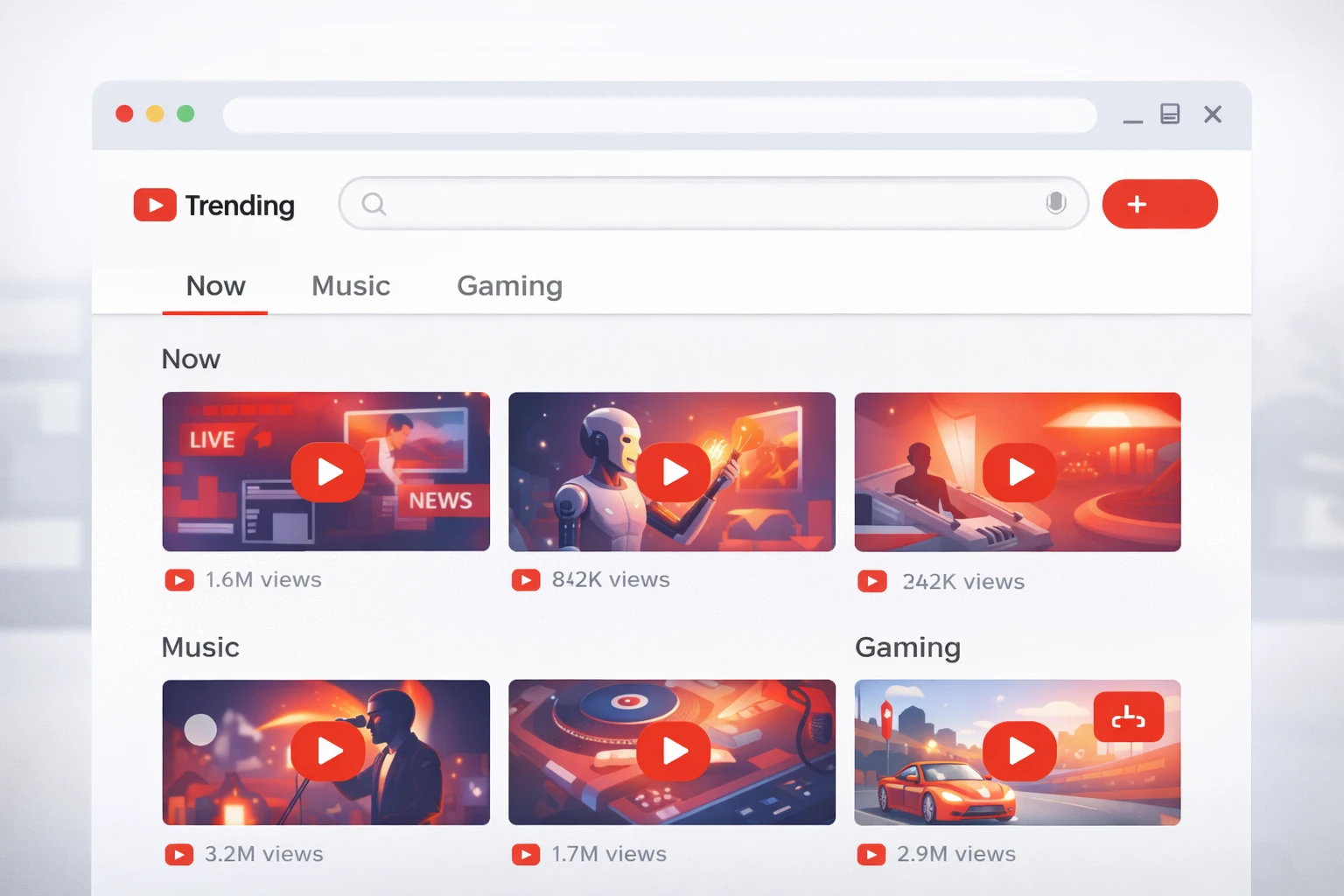
The simplest place to start is YouTube's built-in Trending page. You can access it by clicking the "Explore" icon in the left sidebar or by visiting youtube.com/feed/trending directly.
This page is divided into categories: Now, Music, Gaming, Movies, and sometimes regional sections. Scrolling through these categories gives you a quick snapshot of what's gaining traction across different audiences. Pay attention not just to the videos themselves but to the themes, formats, and styles that appear repeatedly.
While this method is easy, it has limitations. The Trending page shows what's already massively popular, often featuring large creators with established audiences. Smaller or niche trends may not appear here at all. Still, it's useful for understanding broad patterns and seeing what formats currently perform well.
Finding Trends Through YouTube Search Suggestions
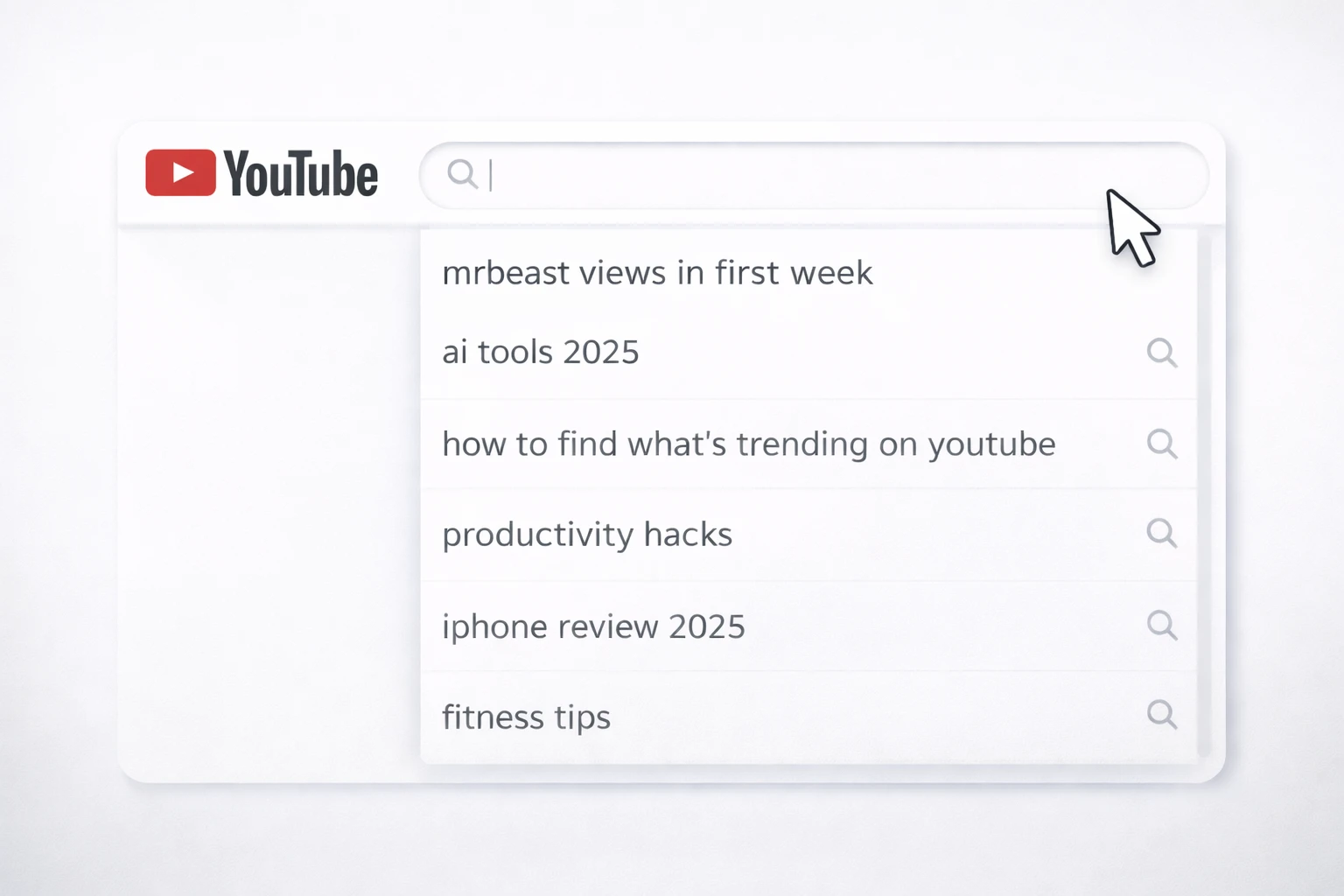
One of the most powerful yet underused methods is YouTube's autocomplete feature. When you start typing a keyword or topic into the search bar, YouTube suggests popular completions based on what real users are searching for right now.
For example, type in a broad topic related to your niche—say, "productivity tips"—and watch what YouTube suggests: "productivity tips for students," "productivity tips for entrepreneurs," "productivity tips 2025," and so on. These suggestions reveal actual demand, not guesswork.
You can go deeper by adding letters at the end of your phrase. Try "productivity tips a," then "productivity tips b," and continue through the alphabet. Each letter reveals different trending variations. This simple trick uncovers dozens of active search queries that your audience is currently using.
The beauty of this approach is that you're finding how to find trending topics on youtube directly from the platform itself, based on real user behavior. It's free, fast, and surprisingly effective.
Analyzing Views and Engagement
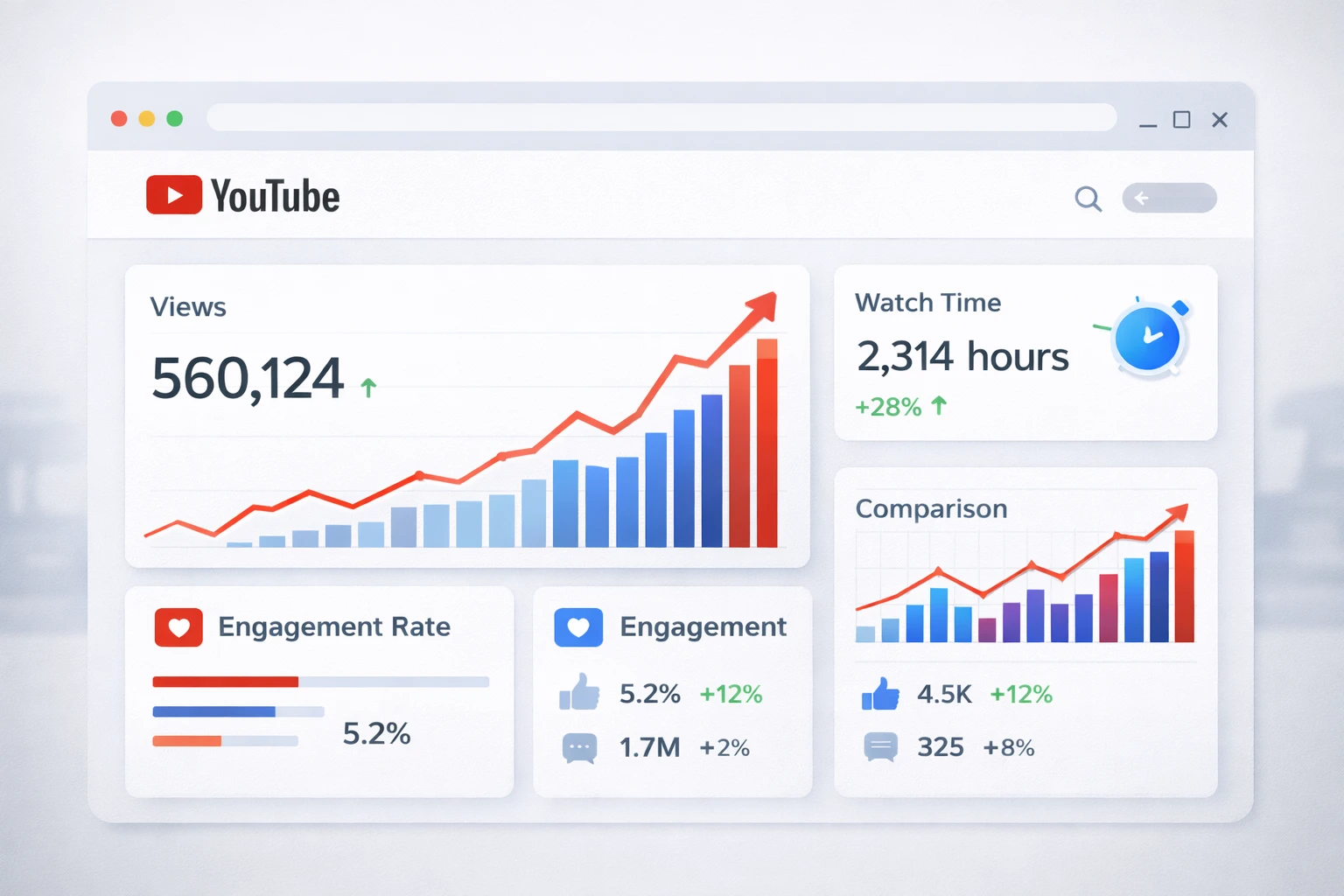
Another hands-on method is analyzing recent uploads in your niche. Search for a broad topic, then filter results by upload date—set it to "This week" or "This month." Look for videos that have unusually high view counts relative to the channel size.
When a smaller channel suddenly gets tens of thousands of views on a new video, it's often because they tapped into a trending topic or keyword. Check the video title, description, and tags. What specific angle did they take? What words or phrases appear most often?
Also pay attention to engagement signals: comments, likes, and shares. High engagement relative to views indicates strong viewer interest, which often means the topic is resonating with audiences right now.
If you want to dive deeper into performance metrics, tools like our YouTube Video Statistics Tool to analyze views and engagement can help you track and compare engagement patterns across multiple videos. This kind of analysis reveals not just what's trending, but why certain videos outperform others.
Using a YouTube Trends Search Tool
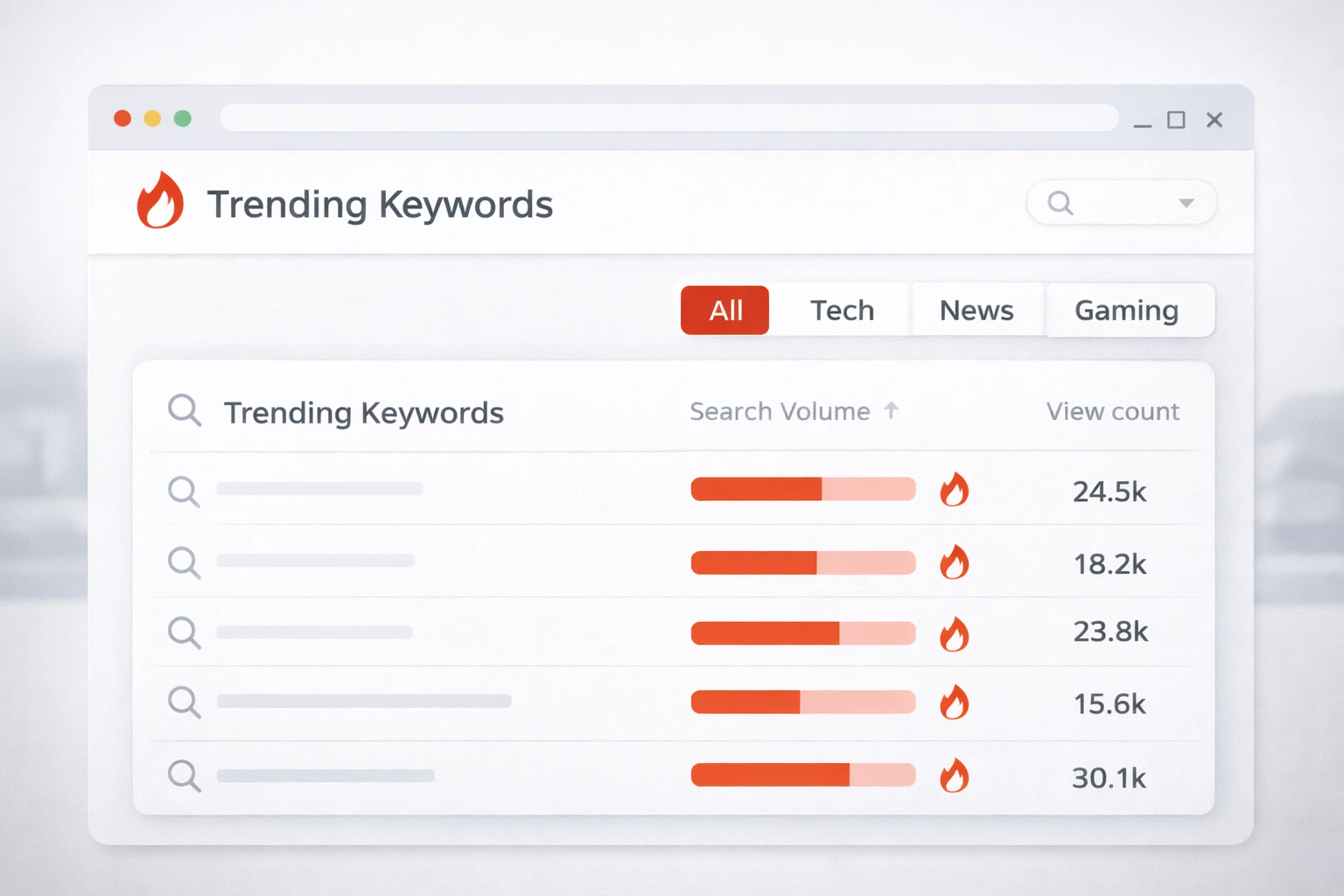
For creators who want more structure and efficiency, dedicated trend research tools save significant time. A YouTube trends search tool aggregates trending keywords, popular searches, and rising topics in one place, often with additional data like search volume estimates and competition levels.
These tools work by monitoring platform activity and identifying patterns in what users are searching for and watching. Instead of manually checking autocomplete suggestions or scrolling through pages of videos, you get organized lists of trending topics sorted by category or niche.
This approach is especially helpful if you're planning content in advance. You can spot emerging trends before they peak, giving you time to create high-quality videos that arrive just as interest surges. Pairing this with a YouTube hashtag generator also helps you optimize discoverability by adding relevant, trending hashtags to your uploads.
How to Analyze Trending Topics Before Creating Content

Finding a trend is only the first step. Before you invest time creating content, ask yourself a few key questions to make sure the topic is actually worth pursuing.
Does this trend fit your niche? Just because something is popular doesn't mean it's right for your channel. If your audience expects tech tutorials and you suddenly post about beauty trends, they'll be confused and unlikely to engage. Choose trends that align naturally with your brand and viewer expectations.
Is the trend still growing or already fading? Some trends spike fast and die quickly—think viral memes or breaking news. Others grow steadily over weeks or months. Check upload dates of trending videos. If most were posted days or weeks ago and views are slowing, you might be too late. Look for topics where new videos are still getting strong early traction.
Can you add unique value? Don't just copy what's already out there. Think about how you can approach the trend from a fresh angle, offer deeper analysis, or present information more clearly. Your goal is to create content that stands out, even within a crowded trending topic.
What's the search intent? Are people looking for tutorials, entertainment, news, or product reviews? Match your content format to what viewers actually want when they search for that topic. Mismatched intent leads to quick clicks away, which hurts your video's performance.
Common Mistakes Creators Make When Chasing Trends
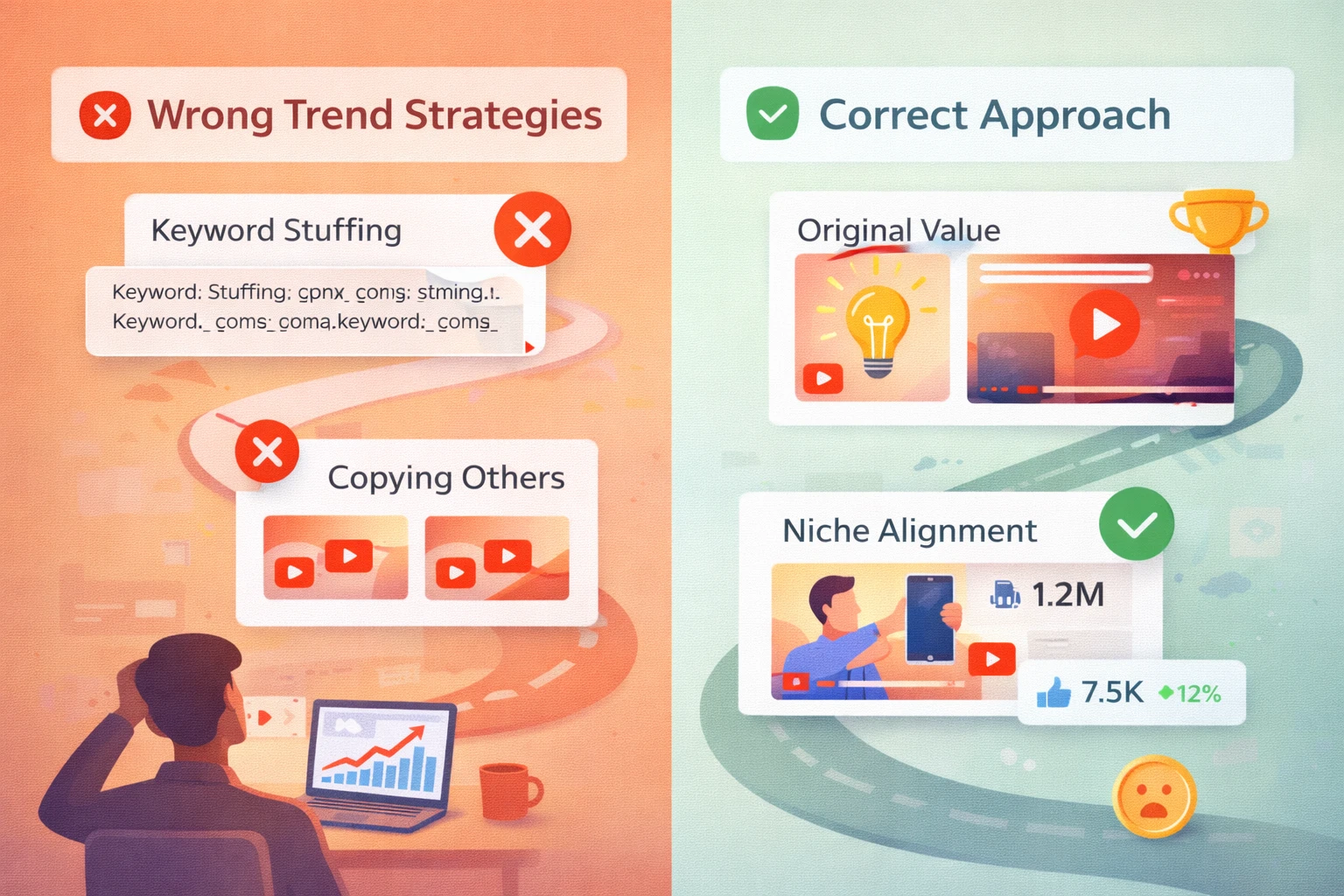
Many creators hurt their channels by mishandling trends. Here are the biggest mistakes to avoid.
Jumping on every trend. Quality matters more than speed. If you rush out a poorly made video just to be first, viewers won't stick around. It's better to be slightly late with great content than early with something forgettable.
Ignoring your core audience. Trend-chasing can dilute your channel identity if you're not careful. Your loyal viewers subscribed for specific content. Constantly shifting to unrelated trending topics confuses them and lowers long-term engagement.
Keyword stuffing titles and descriptions. Yes, trends involve keywords, but cramming them unnaturally into your title makes you look desperate and hurts click-through rate. Write clear, compelling titles that happen to include trending keywords—not the other way around.
Forgetting about evergreen value. Some trends disappear within days. If your video only makes sense during a narrow time window, its lifespan will be short. Whenever possible, frame trending topics in ways that remain useful even after the initial buzz fades.
How Often YouTube Trends Change
YouTube trends operate on multiple timescales. Some shift daily, others weekly or seasonally. Breaking news and viral moments can appear and vanish within hours. Broader themes—like "back to school tips" or "holiday gift guides"—trend predictably at certain times each year.
Niche-specific trends often move more slowly. A new tool release in the tech world, for example, might trend for weeks as creators review it and audiences search for tutorials. Gaming trends can last months when tied to major releases or updates.
The key takeaway: don't expect trends to stay static. What's popular this week might be forgotten next week. That's why regular trend research matters. Set aside time weekly to check what's currently rising in your niche. This keeps your content strategy flexible and responsive rather than locked into outdated ideas.
For creators managing multiple videos or planning ahead, checking trending topics on youtube this week should become routine. Even spending 30 minutes weekly on this research can dramatically improve your content's relevance and discoverability.
Frequently Asked Questions
Q: How often should I check YouTube trends?
Most creators benefit from checking trends at least once a week. This keeps you aware of shifts in your niche without becoming obsessed with chasing every minor change. If you're in fast-moving industries like news or tech, daily checks might make sense. For evergreen niches, weekly is usually enough.
Q: Can small channels benefit from trending topics?
Absolutely. In fact, smaller channels sometimes gain more from trends because they level the playing field. When a topic is new and trending, YouTube recommends videos based on relevance and quality, not just channel size. If your video matches search intent better than a larger creator's, you can outrank them during the trend's peak.
Q: Should I only make videos about trends?
No. Balance is important. Trending content can boost short-term views and attract new subscribers, but evergreen content provides long-term value and steady traffic. A healthy channel mixes both: timely trend-based videos for visibility and foundational evergreen content for sustained growth.
Q: How do I know if a trend fits my niche?
Ask whether your existing audience would genuinely find the topic interesting and relevant. If you have to stretch too far to connect it to your channel's theme, skip it. The best trending topics naturally overlap with what your viewers already care about. This keeps your content cohesive and maintains subscriber trust.

Popular Tools
Recent Posts


